

When uncertainty follows us home
There is a particular kind of exhaustion that comes from feeling as though every issue requires you to become an expert by Thursday.
Artificial intelligence may change your job. A camera on your drive home may record your license plate. A conflict overseas may raise the price of fuel. Trade policy may disrupt a supply chain. Interest rates, tariffs, and inflation can change the math on a business decision before the ink dries on your annual business plan.
Meanwhile, the dishwasher still needs repair, your employee needs a place to live, and the busy winter season is coming.
I hear versions of this anxiety regularly from people across Eagle County. Business owners are weighing whether to hire, expand, or wait. Workers wonder whether their skills will still be valuable in five years. Parents worry about the cost of raising a family here. People who have spent their lives in this community wonder whether they can afford to stay.
None of those concerns exists in isolation. Uncertainty compounds.
Consider AI. It offers real possibilities for small businesses that do not have the staff or budget of a national company. It can save time, improve service, and help people do more of the work they enjoy. It also raises fair questions about jobs, privacy, accuracy and who benefits from the productivity it creates. Telling a worried employee to “embrace innovation” does little unless we also help them learn how to use it.
Or consider Flock license plate cameras. The recent discussion in Avon reflects a legitimate tension. People want law enforcement to have effective tools, and they want to know who can access records of their movements, for what purpose and under whose oversight. Trust requires public answers to those questions.
The same principle applies to the economy. A headline about global trade or interest rates can sound remote until a local contractor prices materials, a restaurant renews its lease, or a family tries to qualify for a mortgage. Our high housing costs and tight labor market leave less room to absorb another surprise.
And then there is the sheer volume of information. Every alert arrives with a demand for immediate outrage or certainty. It is difficult to think clearly when the world keeps insisting that everything is an emergency.
I do not have a reassuring prediction about what artificial intelligence, geopolitics, or the economy will do next. Anyone who claims to know should probably be asked a few more questions. I do know that fear grows when people feel they have no voice and no way to prepare. We can change that locally.
Public officials can explain decisions plainly, invite scrutiny, and acknowledge tradeoffs. Employers can be candid with their teams about change and invest in training. Community organizations can bring people with different views into the same room to solve shared problems. And each of us can resist the temptation to run to social media to treat a neighbor’s concern as ignorance simply because we reach a different conclusion.
That is not a promise that every decision will be easy or unanimous. There is a way to make better decisions together. We have navigated uncertainty before. We did it through relationships: people comparing notes, helping one another adapt, and finding practical ways forward. Those relationships are still our greatest advantage.
We cannot control every headline. We can control how honestly we talk about its local consequences, how seriously we take one another’s concerns, and how much work we are willing to do together. When the future feels uncertain, that is a good place to start.
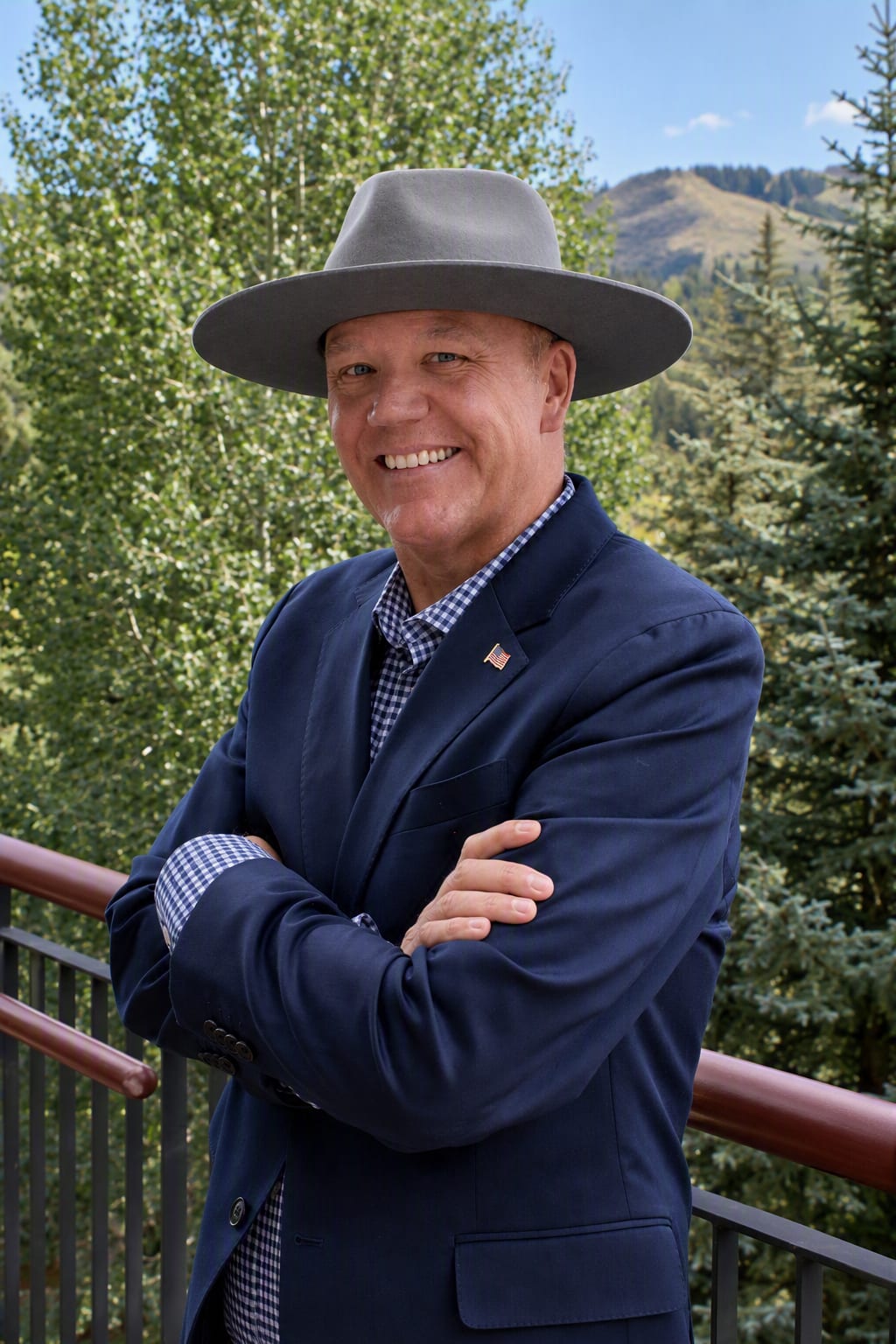
Chris Romer is president & CEO of Vail Valley Partnership, 3-time national chamber of the year. Learn more at VailValleyPartnership.com
Images
Additional Info
Organization Name : Vail Valley Partnership